The Art of Perfect Pizza Dough: A Journey Through Tradition and Innovation
Inside Salvatore's Kitchen with Head Chef Marco Benedetti
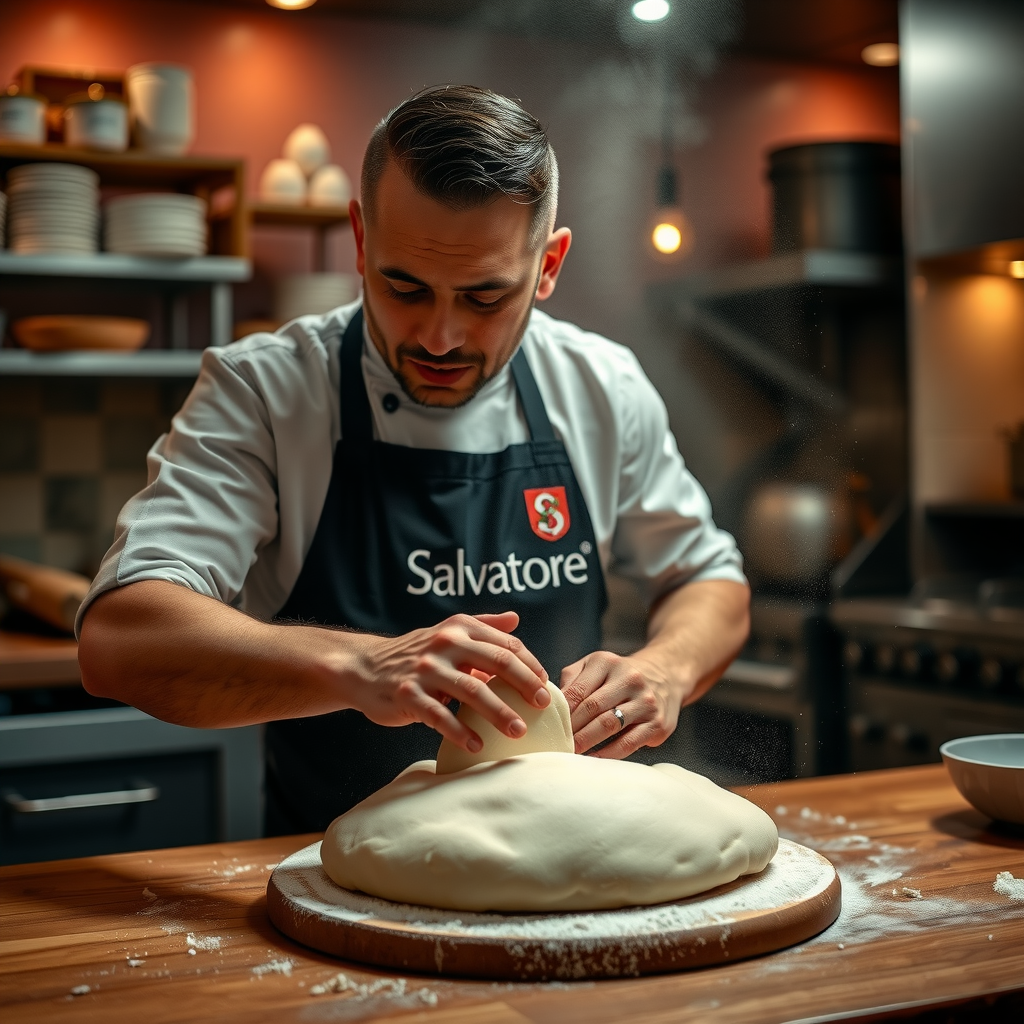
In the heart of Salvatore's bustling kitchen, where the aroma of fresh basil mingles with the warmth of wood-fired ovens, Head Chef Marco Benedetti stands before a mound of flour, his hands moving with the practiced grace of a master craftsman. For Marco, pizza dough isn't just an ingredient—it's a living, breathing testament to centuries of Italian tradition, now flourishing on Canadian soil.
"Every pizza begins with respect," Marco explains, his Italian accent still strong despite two decades in Canada. "Respect for the ingredients, respect for the process, and respect for the people who will enjoy what we create." This philosophy has guided Salvatore's approach to pizza-making since its inception, creating a unique fusion of Old World techniques and New World ingredients.
The Foundation: Traditional Italian Techniques
Marco's journey with pizza dough began in his grandmother's kitchen in Naples, where he learned that patience is the most crucial ingredient. "In Italy, we say 'la pasta deve riposare'—the dough must rest," he shares, his eyes lighting up with the memory. "This isn't just tradition; it's science. The fermentation process develops flavors that you simply cannot rush."
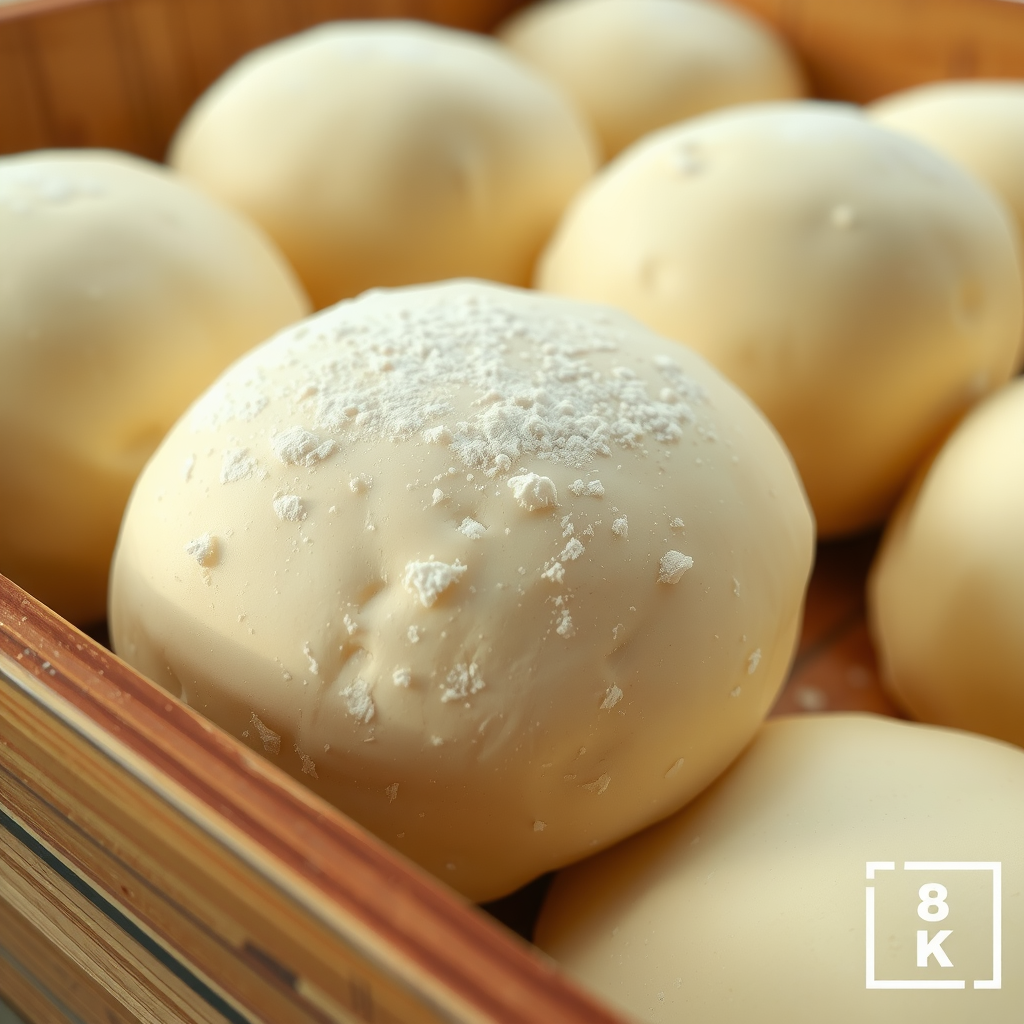
At Salvatore, every batch of dough undergoes a minimum 48-hour cold fermentation process. This extended rest period allows the yeast to work slowly, breaking down complex carbohydrates and developing the characteristic tangy flavor and airy texture that distinguishes authentic Neapolitan-style pizza. The dough is mixed using a traditional spiral mixer, which Marco insists provides the perfect balance of gluten development without overworking the delicate structure.
"The temperature, the humidity, even the mood in the kitchen—everything affects the dough," Marco explains with a knowing smile. "You must learn to read it, to understand what it needs. Some days it wants more water, other days less. This is why pizza-making is an art, not just a recipe."
Marco's Traditional Dough Philosophy
- Time is Essential: Minimum 48-hour cold fermentation for optimal flavor development
- Quality Over Quantity: Using premium Italian 00 flour for superior texture
- Hydration Balance: Carefully calibrated water content for perfect elasticity
- Hand-Stretched Only: Never using rolling pins to preserve air bubbles
- Temperature Control: Maintaining precise conditions throughout the fermentation process
Canadian Ingredients: A Local Twist on Italian Tradition
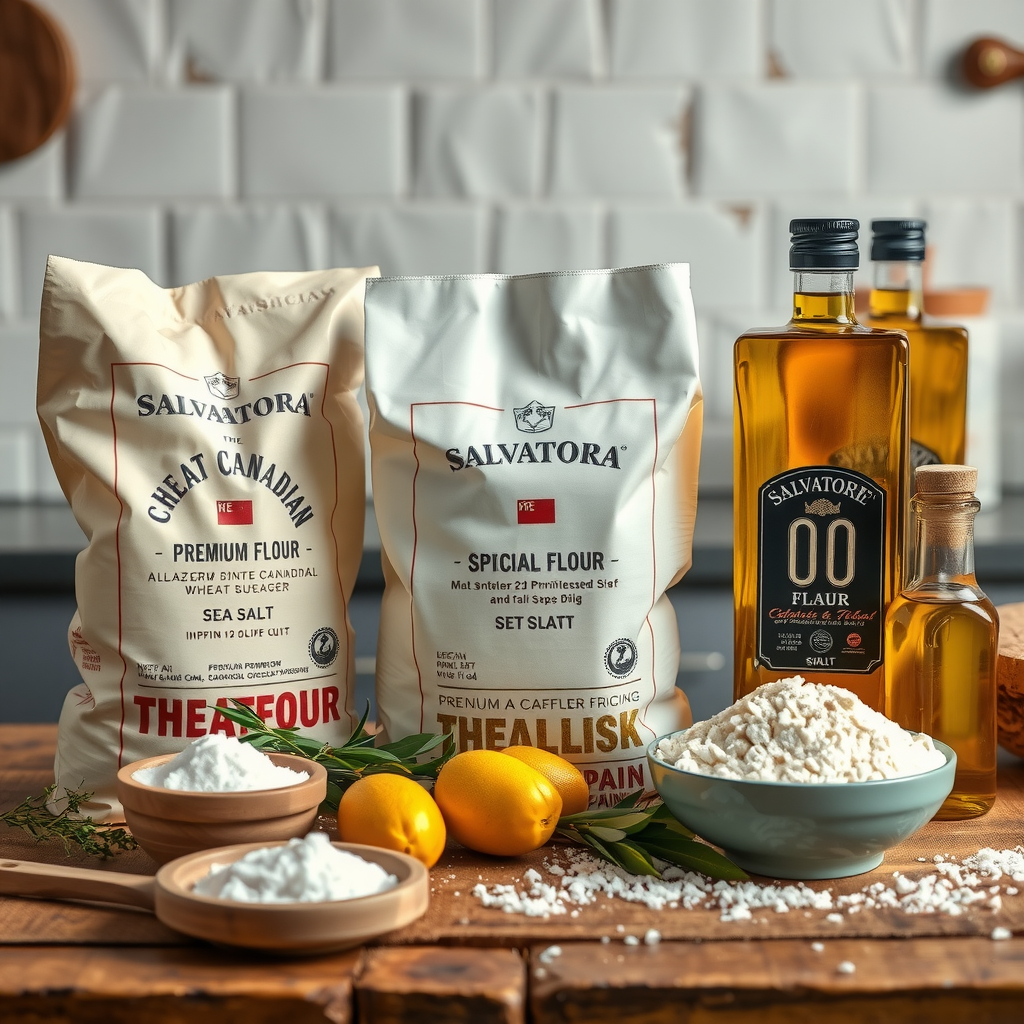
While Marco remains faithful to traditional Italian techniques, he's embraced the exceptional quality of Canadian ingredients with enthusiasm. "When I first arrived in Canada, I was skeptical," he admits. "But then I discovered the incredible wheat from the Prairies, the pure water, the local sea salt from Vancouver Island. These ingredients are world-class."
Salvatore sources its primary flour from a mill in Saskatchewan that produces a premium blend specifically designed for pizza-making. This Canadian wheat, combined with imported Italian 00 flour, creates a unique hybrid that Marco believes offers the best of both worlds. "The Canadian wheat gives us strength and structure, while the Italian flour provides that silky texture and flavor," he explains.
The water used in Salvatore's dough comes from a local spring, filtered but not stripped of its natural minerals. "Water is not just water," Marco insists. "The mineral content affects how the gluten develops, how the yeast behaves. We tested dozens of water sources before finding the perfect one."
Even the salt, a seemingly simple ingredient, receives careful consideration. Marco uses a blend of Italian sea salt and Canadian sea salt from the Atlantic coast, creating a mineral profile that enhances the dough's flavor without overwhelming it. "Every ingredient tells a story," he says. "Our dough tells the story of two countries, two traditions coming together."
The Science Behind the Perfect Dough
Behind Marco's artisanal approach lies a deep understanding of the science of bread-making. The fermentation process at Salvatore is carefully controlled, with dough stored at precisely 4°C (39°F) to slow yeast activity while allowing enzymatic reactions to continue. This cold fermentation breaks down starches into simpler sugars, creating the complex flavor profile that customers have come to love.
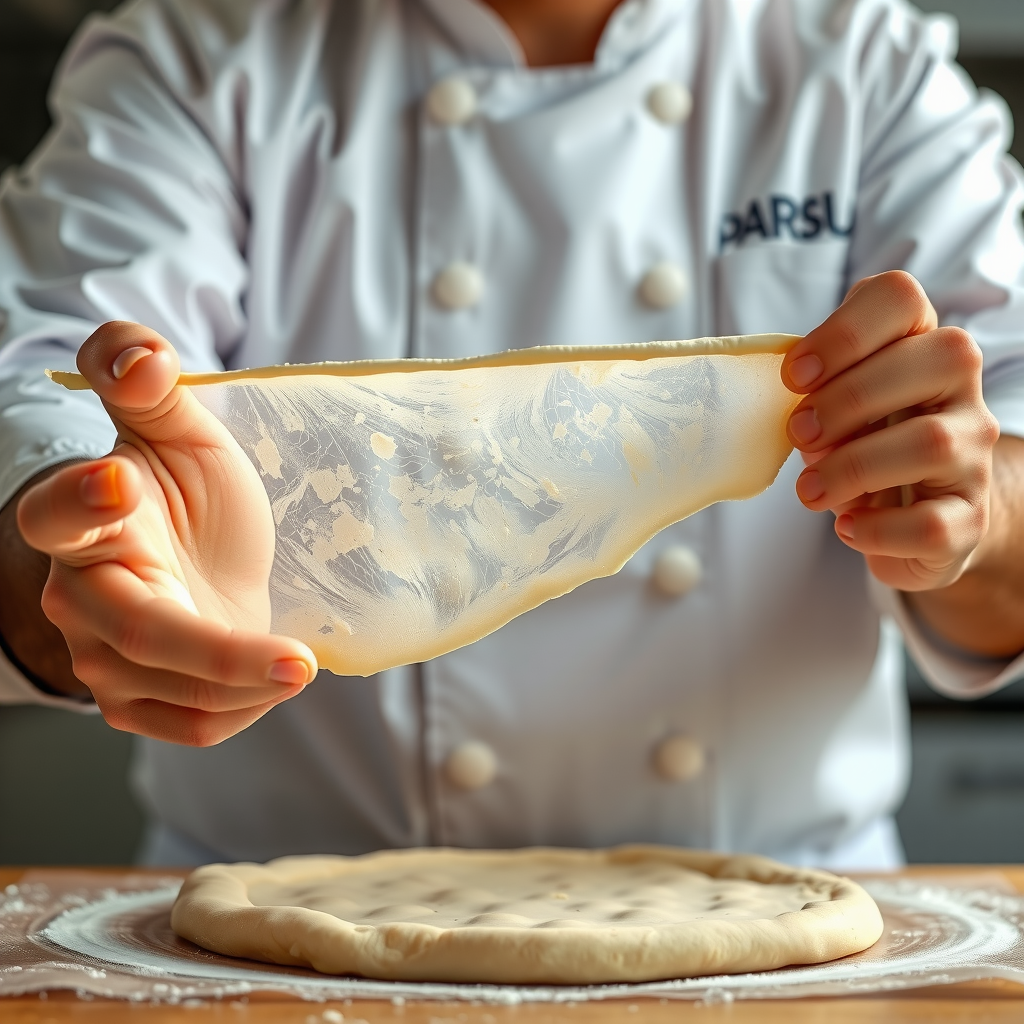
"The gluten network is like a living structure," Marco explains, demonstrating the windowpane test with a small piece of dough. "When you can stretch it thin enough to see light through it without tearing, you know the gluten is properly developed. This takes time, patience, and the right technique."
The hydration level of Salvatore's dough sits at approximately 65%, a carefully calculated ratio that provides enough moisture for a tender crumb while maintaining the structure needed for proper handling. "Too much water and the dough becomes sticky and difficult to work with," Marco notes. "Too little, and you get a tough, dense crust. Finding the perfect balance took us months of testing."
The yeast selection also plays a crucial role. Salvatore uses a combination of commercial yeast and a natural starter that Marco has been maintaining for over five years. "The starter adds depth and complexity that you cannot achieve with commercial yeast alone," he says. "It's like the difference between a simple melody and a symphony."
The Perfect Dough Formula
From Dough to Masterpiece: The Stretching Technique
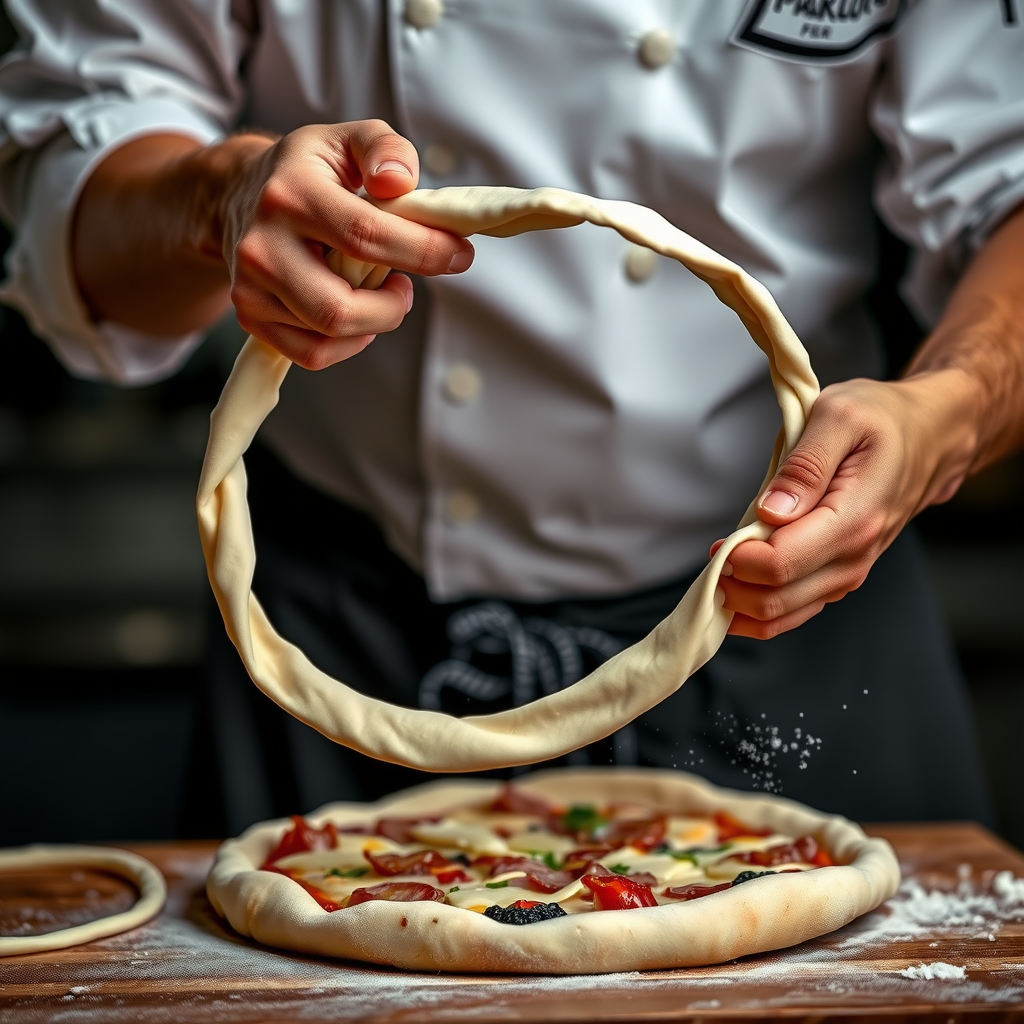
Perhaps the most visually striking aspect of Marco's craft is his dough-stretching technique. Unlike many modern pizzerias that rely on rolling pins or dough presses, Salvatore maintains the traditional hand-stretching method. "The rolling pin crushes the air bubbles that we've spent two days developing," Marco explains, demonstrating the gentle pressing and stretching motion. "Hand-stretching preserves these bubbles, which create the characteristic leopard-spotting on the crust when baked."
The process begins with removing a dough ball from refrigeration about an hour before use, allowing it to come to room temperature. "Cold dough is stiff and resistant," Marco notes. "Room temperature dough is relaxed and cooperative." He then uses a combination of pressing with his fingertips and gentle stretching over his knuckles to gradually expand the dough into a perfect circle.
"The center should be thin, but not too thin," he instructs, holding up a stretched base to the light. "The edge, the cornicione, should be thicker to create that beautiful puffy crust. This is where all those air bubbles will expand in the oven, creating the texture that makes people fall in love with pizza."
Marco's hands move with practiced efficiency, but he emphasizes that speed comes with experience. "When I teach new pizza makers, I tell them: slow is smooth, smooth is fast. Don't rush. The dough will tell you when it's ready." This philosophy extends to every aspect of Salvatore's operation, where quality always takes precedence over speed.
The Final Touch: Baking to Perfection
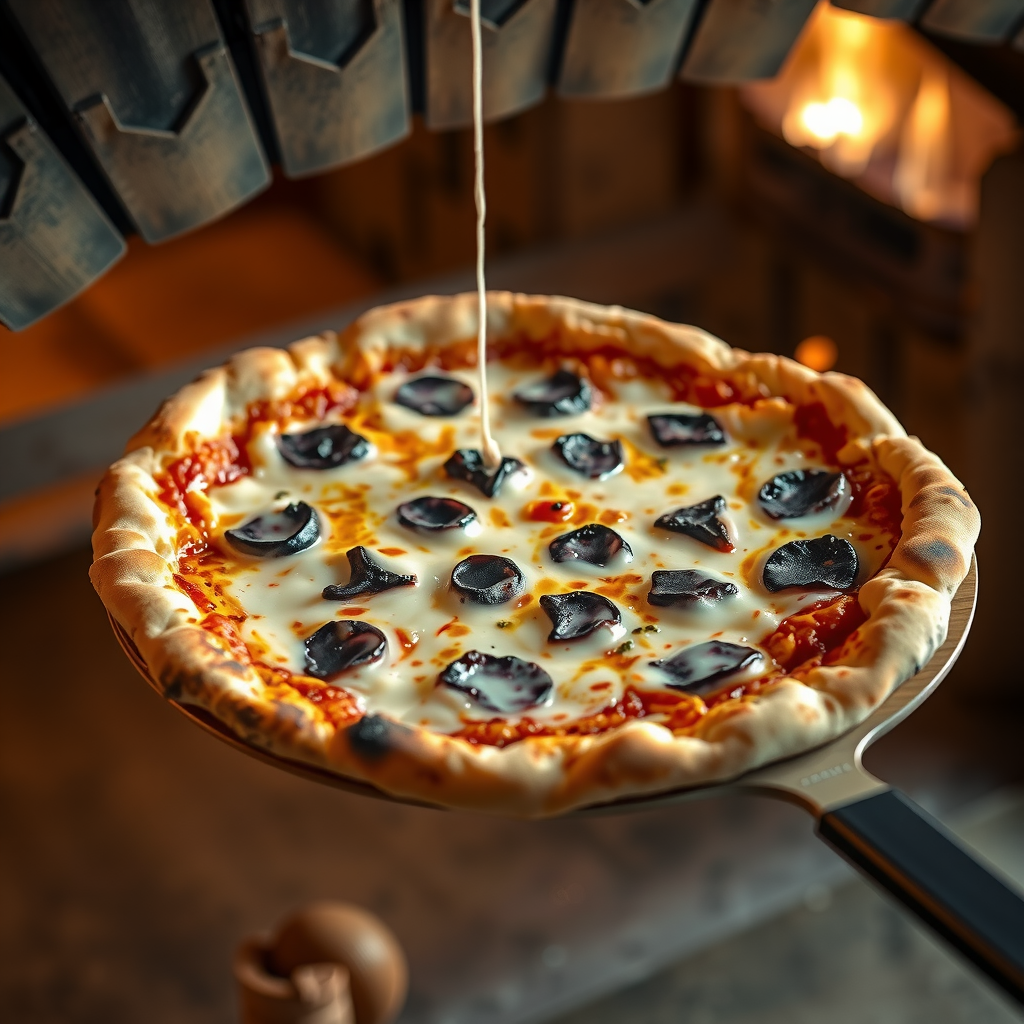
All the careful preparation culminates in the baking process, where Salvatore's custom-built wood-fired oven reaches temperatures of 450°C (842°F). "At this temperature, the pizza cooks in just 90 seconds," Marco explains. "The intense heat creates rapid expansion of those air bubbles, while the bottom crisps and the toppings caramelize."
The wood-fired oven, built by Italian craftsmen using volcanic stone from Mount Vesuvius, imparts a subtle smokiness that complements the dough's complex flavors. "The stone absorbs and radiates heat evenly," Marco notes. "This is crucial for achieving that perfect balance of crispy bottom and chewy interior."
Marco watches each pizza carefully as it bakes, rotating it with a long-handled peel to ensure even cooking. "You can see the transformation," he says with evident pride. "The dough puffs up, the cheese bubbles, the crust develops those beautiful charred spots. It's like watching a painting come to life."
The result is a pizza that honors both its Italian heritage and its Canadian home—a perfect marriage of tradition and innovation, of Old World technique and New World ingredients. "This is what Salvatore represents," Marco concludes. "Respect for where we come from, excitement for where we are, and passion for what we create."
A Legacy in Every Slice
As our conversation draws to a close, Marco reflects on what makes Salvatore's pizza truly special. "It's not just about following a recipe or using expensive ingredients," he says thoughtfully. "It's about understanding that every pizza carries a responsibility—to honor the traditions of those who came before us, to celebrate the quality of ingredients available to us here in Canada, and to bring joy to the people who trust us with their meals."
This philosophy permeates every aspect of Salvatore's operation, from the careful selection of ingredients to the patient fermentation process, from the gentle hand-stretching to the precise baking. It's a philosophy that has earned Salvatore a devoted following and a reputation for serving some of the finest pizza in Canada.
"When someone takes that first bite and closes their eyes in appreciation, when they tell me it reminds them of pizza they had in Naples or Rome, that's when I know we've succeeded," Marco says with a satisfied smile. "We're not just making pizza—we're creating memories, preserving traditions, and building bridges between cultures."
As Marco returns to his station, ready to begin another batch of dough, it's clear that his passion for the craft remains as strong as ever. Each ball of dough represents not just a future pizza, but a continuation of a centuries-old tradition, adapted and perfected for a new generation of pizza lovers in Canada. In Marco's capable hands, and through Salvatore's commitment to excellence, that tradition is in very good hands indeed.
Article by
Salvatore Editorial Team